
Invovia

AI Native Engineering

Defining AI-Native

Engineering Built From First Principles, Not Retrofits

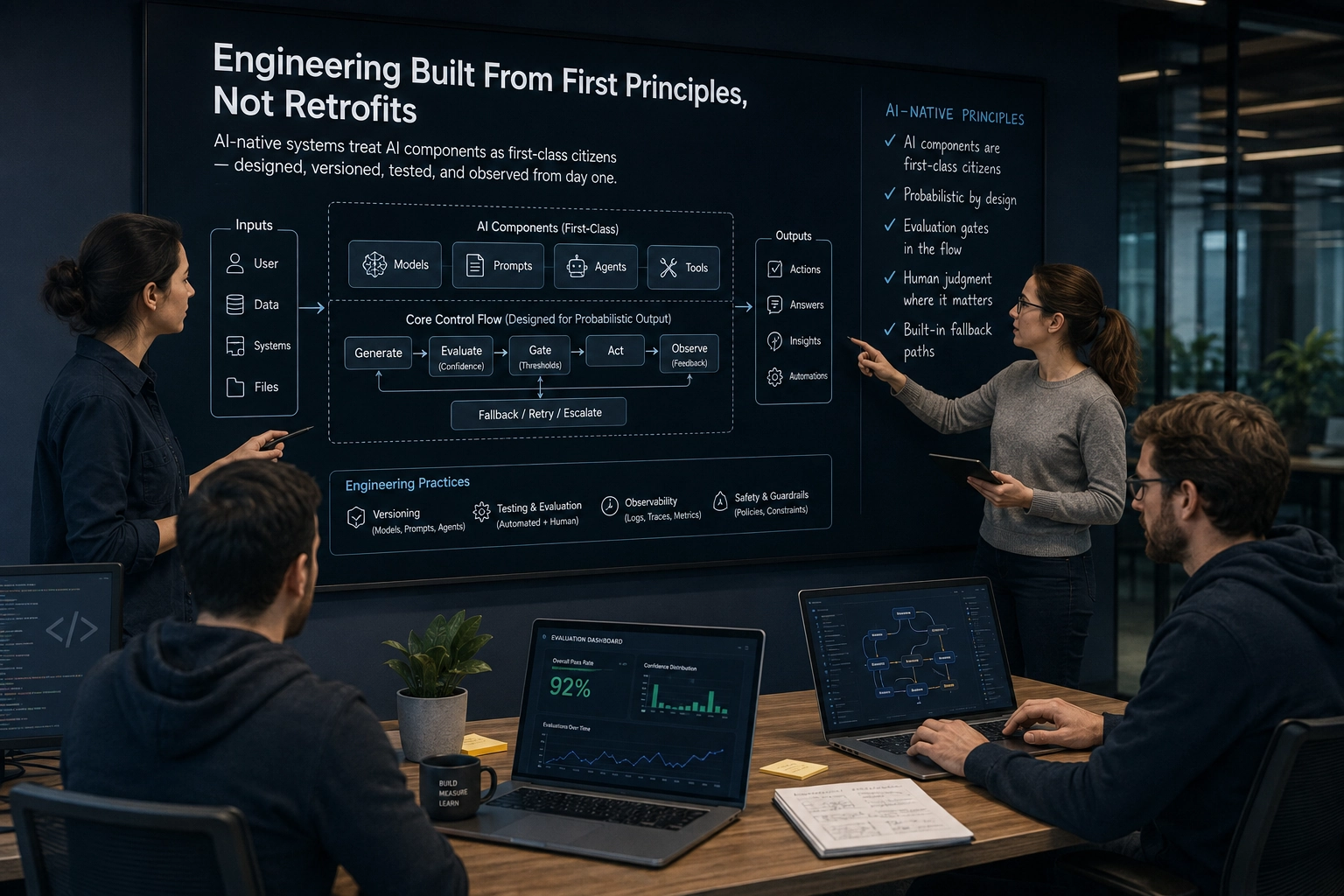
AI-assisted engineering bolts AI onto an existing practice. AI-native engineering designs the practice around AI from the start — with different team structures, ownership models, architectural boundaries, and assumptions about where human judgment actually belongs.

What “AI-Native” Means in Architectural Terms:

In architectural terms, AI-native means models, prompts, and agent behavior are treated as first-class components of the system — versioned, tested, deployed, and observed with the same rigor as any service — rather than as opaque calls embedded inside otherwise conventional code. The system is designed around the fact that AI output is probabilistic: retries, confidence thresholds, evaluation gates, and fallback paths are part of the core control flow from day one, not incident-response patches added after something breaks in production.

AI Native Engineering

AI as a First-Class Architectural Layer

AI-Assisted
Client / UI Layer
Business Logic & APIs
AI Layer: Versioned Prompts · Agent Orchestration · Eval Gates
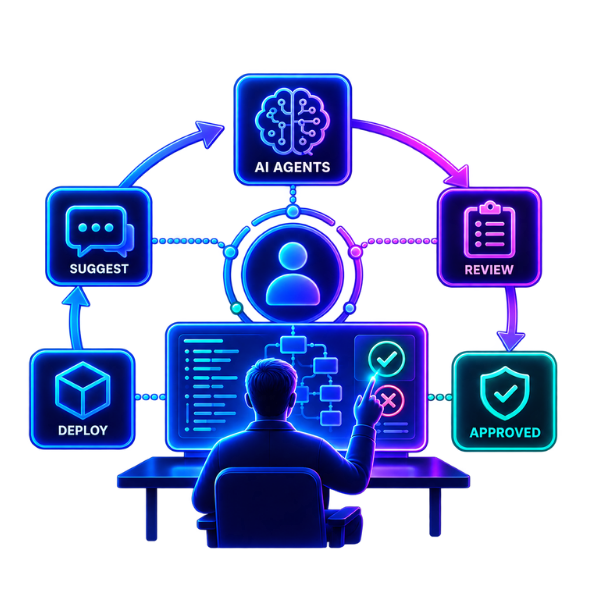
Reviewed via PR · tested against golden datasets · deployed through CI/CD
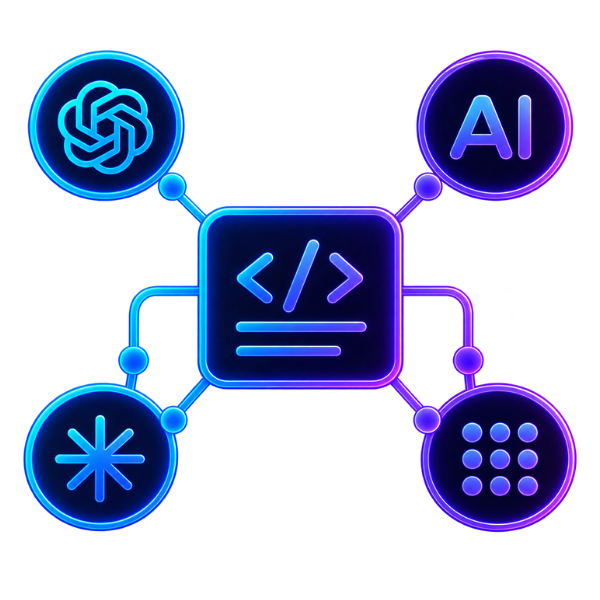
Model Providers — swappable interface
AI-Native
Architectural Principles

The Design Commitments That Make a System AI-Native

These aren’t process preferences — they’re structural decisions that show up in the codebase, the deployment pipeline, and the org chart.

01

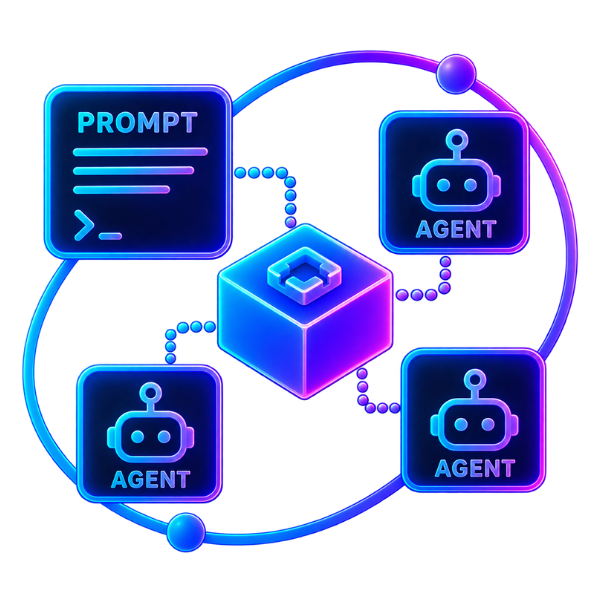
Prompts & Agents as First-Class Components

Prompts and agent definitions are versioned artifacts with owners, not strings buried in application code.

Prompt-as-code, not prompt-as-comment

02

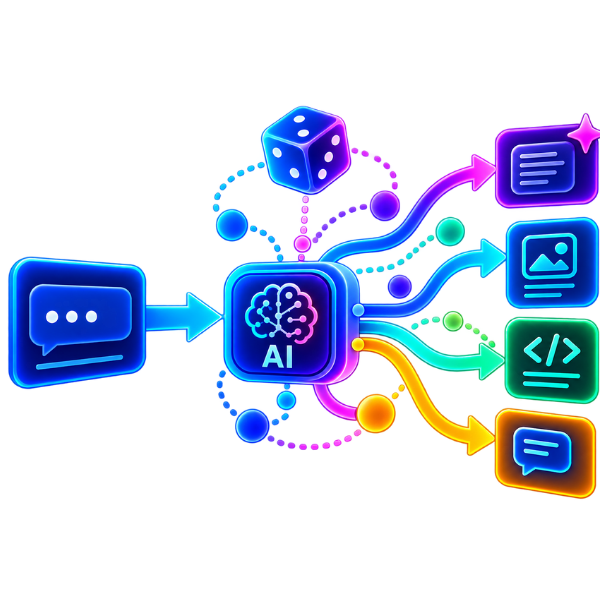
Designed for Non-Determinism

Every model call carries retries, confidence thresholds, and a defined fallback path as part of the control flow.

Failure is expected, not exceptional

03

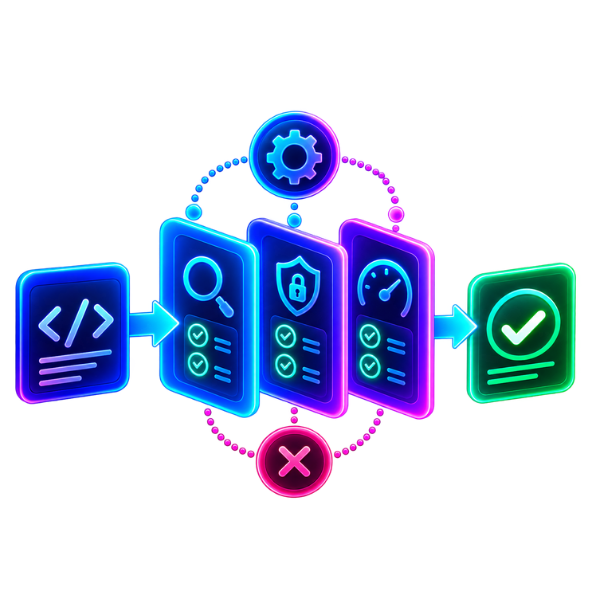
Evaluation Gates Every Change

Golden datasets and regression suites gate every prompt or model update before it ships, the way unit tests gate code.

Eval harnesses replace "looks right to me"

04

Human Judgment by Design

Escalation points where a person must approve or intervene are architected in advance, not discovered after an incident.

Oversight is a component, not a hope

05

Observability at the Model Layer

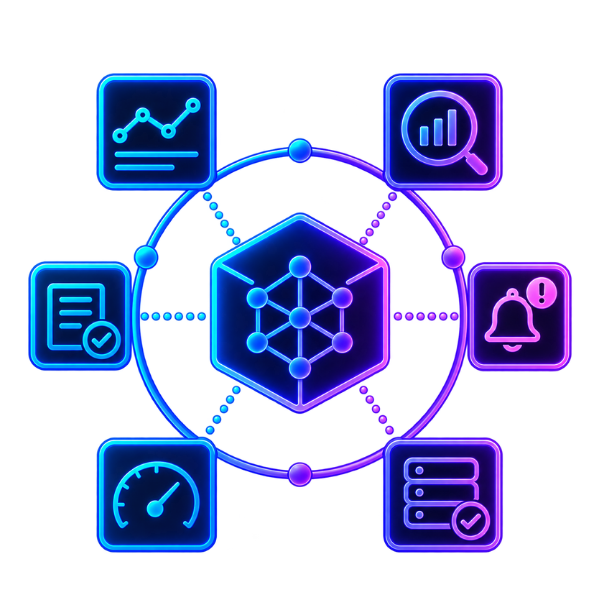
Token spend, latency, and output drift are tracked per prompt and per model version, not just per service.

You can't govern what you can't see

06

Model-Agnostic Interfaces

A swappable model/provider layer means a vendor price change or deprecation doesn’t force a rewrite.

No single vendor is the architecture

Why It Matters

The Maintainability Problem AI-Assisted Teams Don't See Coming

Systems that bolt AI onto an existing practice tend to work fine in a demo and degrade quietly in production. The cost shows up eighteen months later, in a codebase no one can safely change.

The AI-native answer

Prompt registries, evaluation gates, guardrail layers, and model-agnostic interfaces are durable engineering discipline — the same way a test suite outlives any single feature. Built in from the start, they let a system survive model upgrades, provider switches, and team turnover without a rewrite. Retrofitted after the fact, they cost a quarter of engineering time and still leave gaps an auditor will find.

AI Native Engineering

Core Disciplines

AI-Augmented Team Design

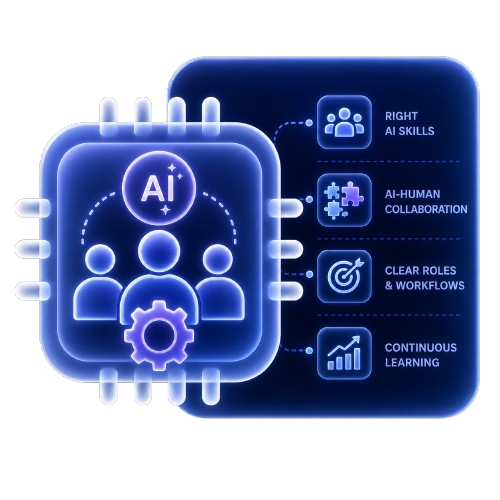
Right-sizing teams so humans contribute where they uniquely can.
Prompt Engineering as a Practice

Standards, version control, and evaluation frameworks for production prompts.
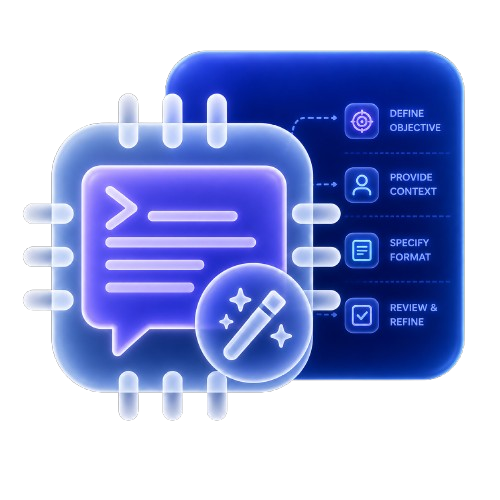
AI Code Quality Assurance

QA calibrated to AI-generated code's distinctive failure pattern
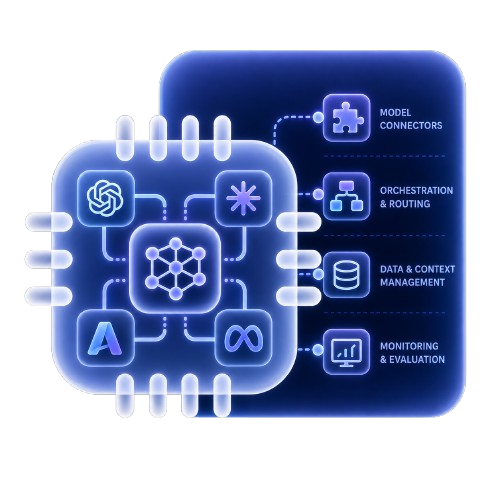
Model Integration Engineering

Interface design, latency management, fallback logic, cost accountability.
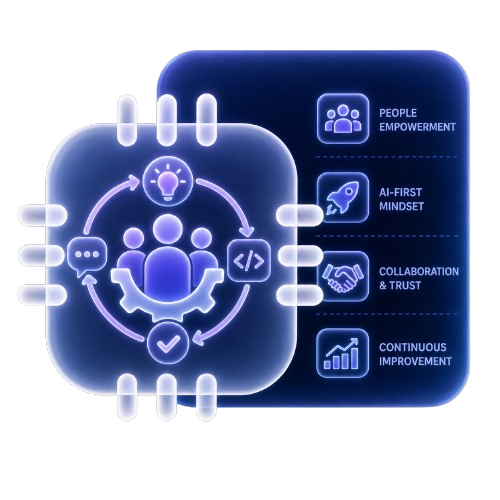
Engineering Culture Transformation

Shifting norms, incentives, and career paths so it actually sticks.
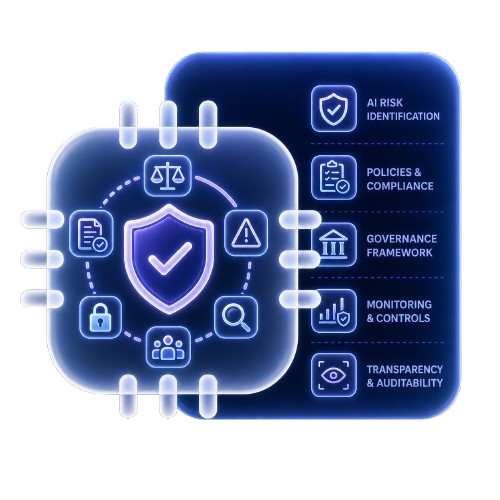
Governance & AI Risk Management

Automated guardrails and audit trails at the platform level.

Reference Architectures & Patterns

Patterns We Implement, Not Theory We Cite

Every AI-native engagement draws from the same set of proven patterns, adapted to the client’s stack and compliance requirements.

01
Prompt-as-Code Pipeline

Prompts stored in version control, reviewed via pull request, tested against golden datasets, and deployed through CI/CD like any other service artifact.

02
Agent Orchestration Layer

A dedicated control layer manages agent handoffs, tool calls, and retries as explicit state transitions, kept separate from core business logic.
03
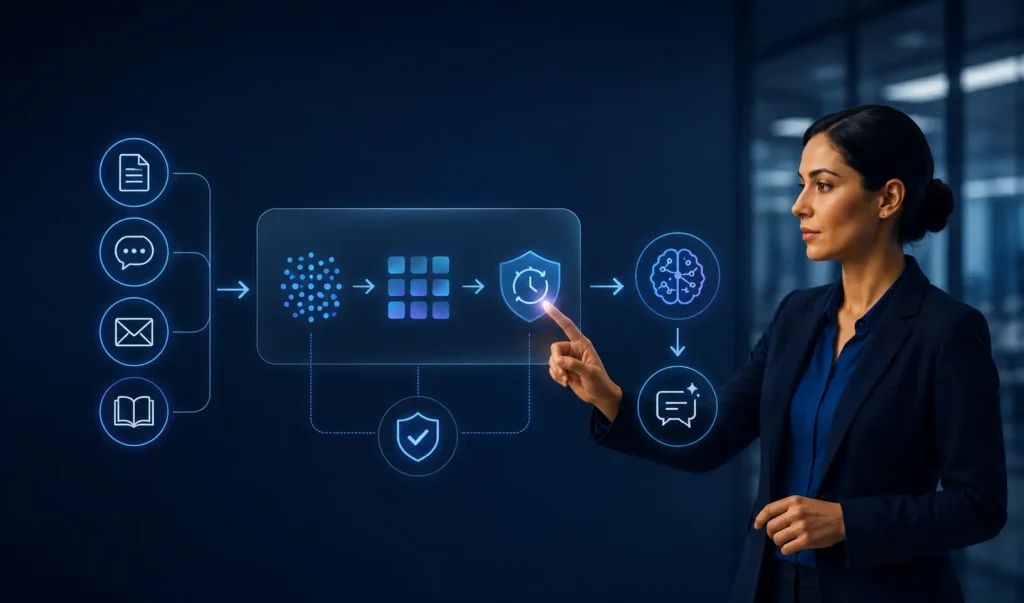
Semantic Data Plane (RAG)

A governed retrieval layer — vector store, chunking strategy, freshness policy — sits between models and enterprise data, so knowledge updates don't require retraining.

04
Guardrail & Observability Mesh

Cross-cutting policies for cost caps, PII redaction, and output validation applied consistently across every model call, not reimplemented per feature.

05
Shadow-Mode Model Rollout

New models or prompt versions run in parallel against live production traffic before cutover, with divergence from the current version tracked automatically.

06
Human-in-the-Loop Approval Gate

Defined checkpoints where low-confidence or high-stakes agent actions pause for human sign-off before executing, rather than failing silently or over-trusting output.

For a state agency client, “AI-native” meant something specific: every prompt used in production had to be version-controlled, reviewable, and tied to an audit trail before their compliance office would sign off. We built that review pipeline before we built a single feature, which felt slow in week one and saved the entire program in month four when an auditor asked to see it.