
Agentic AI Architecture
Five Foundation Layers
Build the infrastructure that Autonomous Agents Actually Run On
- Memory Architecture: Working, episodic, semantic, and procedural memory in concert.
- Tool & API Orchestration: Registries, permission boundaries, and rate management.
- Multi-Agent Coordination: Delegation, shared state, and supervisor-agent hierarchies.
- Evaluation & Guardrail Systems: Circuit breakers and behavior boundaries that escalate appropriately.
- Observability & Interpretability: Reasoning traces and decision points made auditable.
Agentic AI isn’t really a model problem. It’s an architecture problem. Most enterprise infrastructure assumes interaction that’s human-initiated, synchronous, and stateless, which isn’t how agents work. We design the layers agents actually need.
Agentic Infrastructure Stack


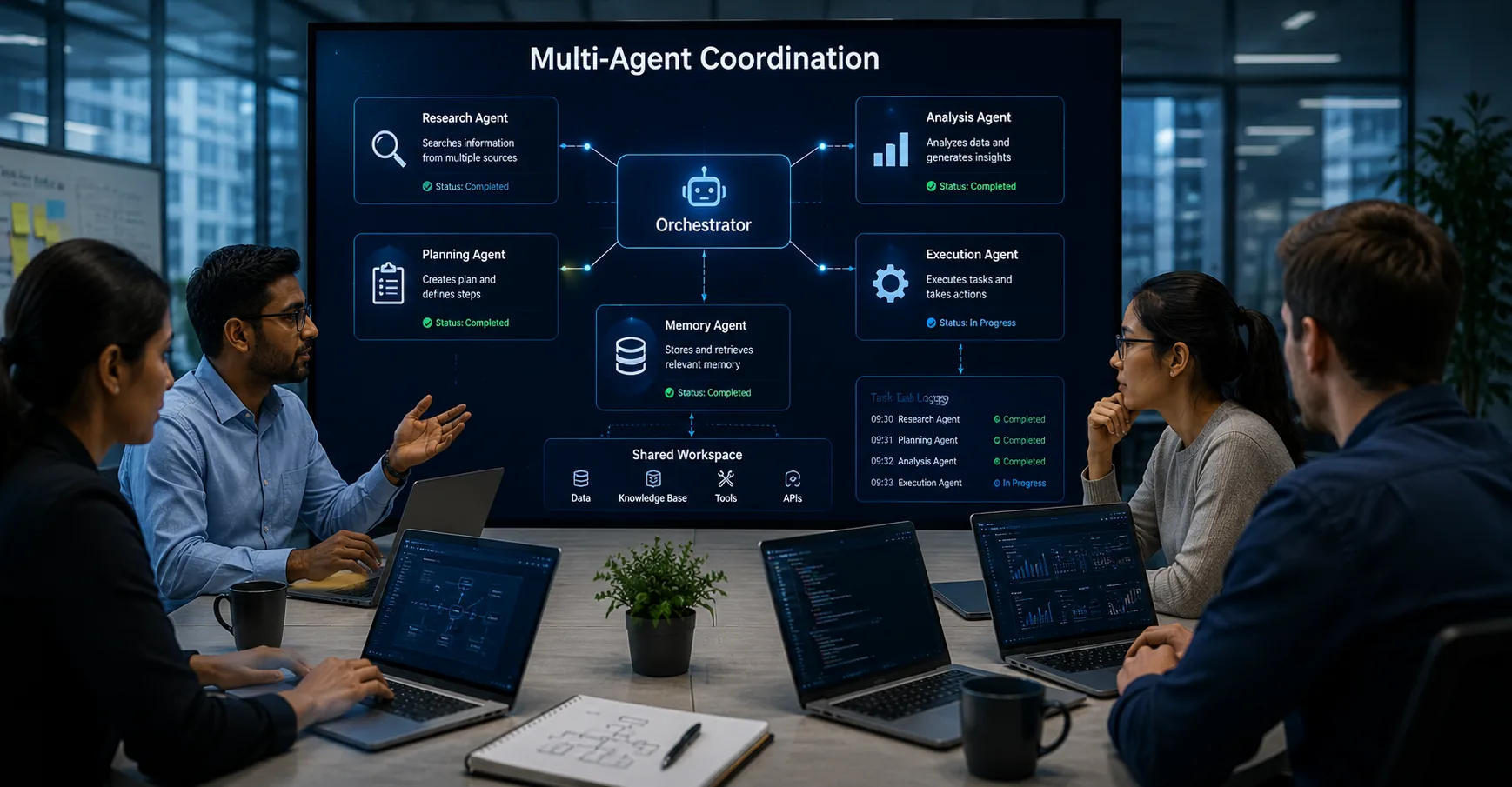
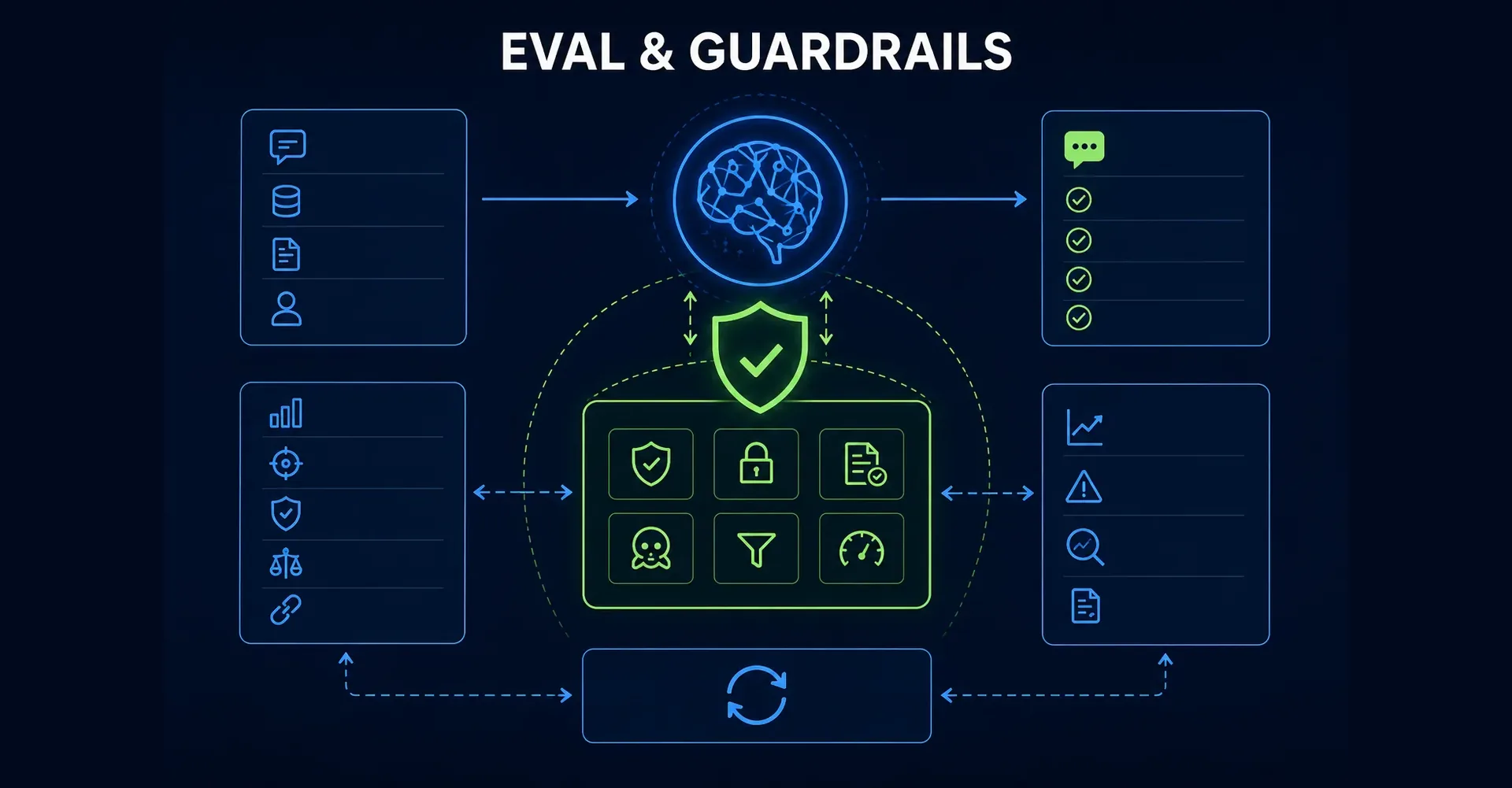

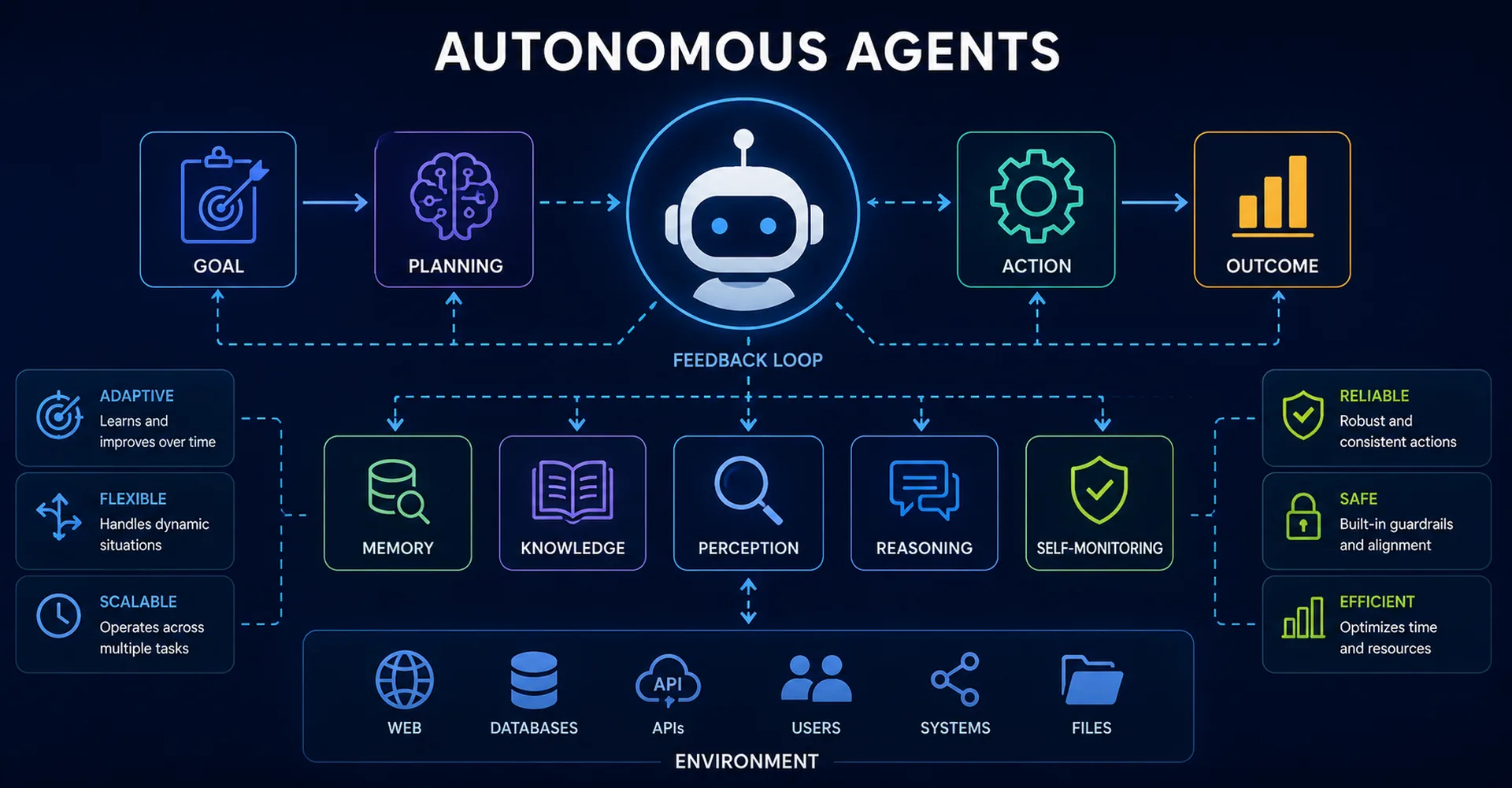
Human override,every layer
Design Principles of Agentic AI Architecture

Minimal Blast Radius
Every agent runs with the minimum permissions it needs. Scope is explicit, time-limited, and audited.

Human Override Always Reachable
No workflow is designed without a clear escalation path to a human.
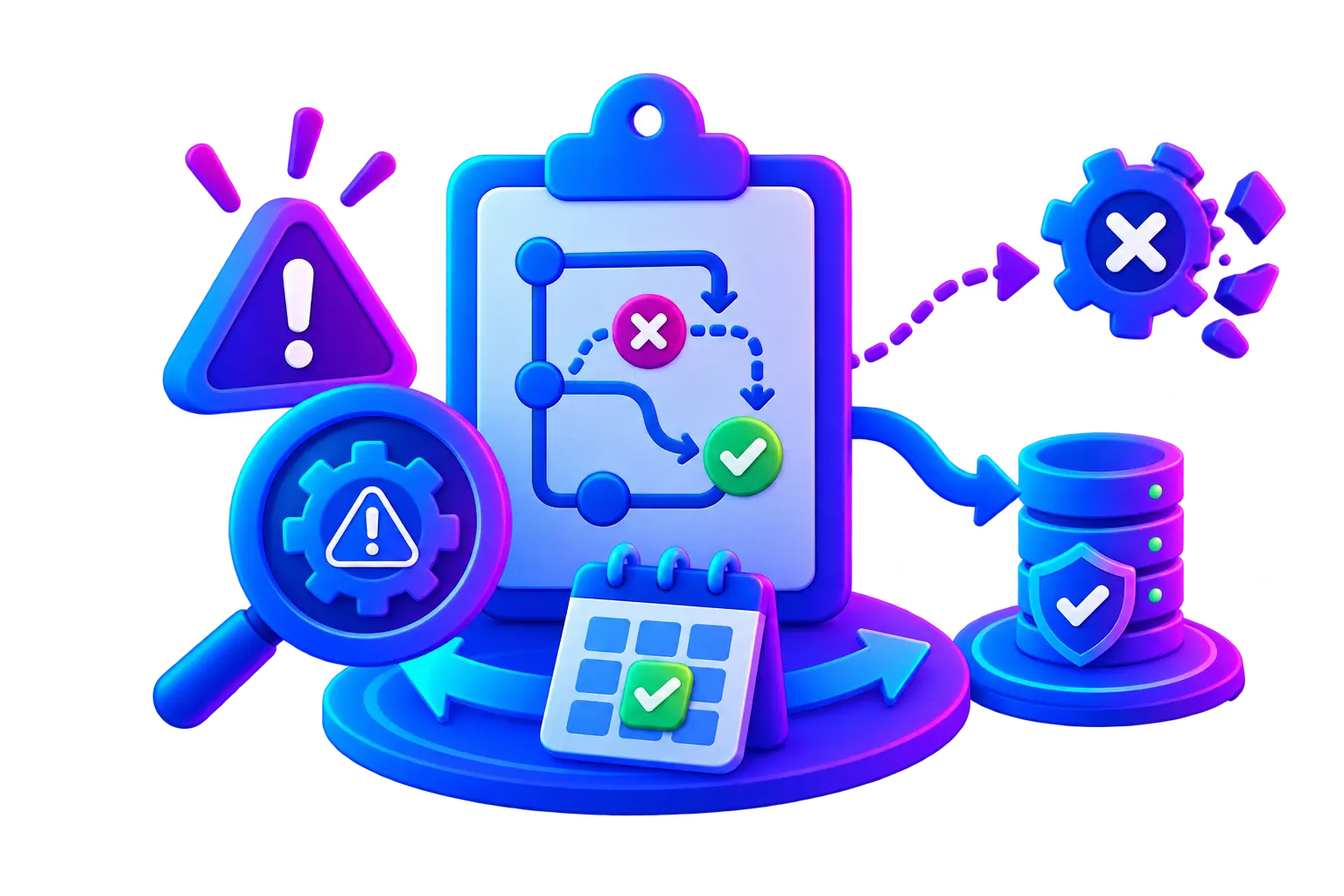
Failure-Aware Planning
Partial completion and mid-task failures are treated as expected states, not edge cases.

Horizontal Scalability
Message-passing and event-driven coordination avoid shared-state bottlenecks.

Cost-Aware Inference Routing
Task complexity is matched to model capability to control inference cost.

Regulatory Readiness
HIPAA, SOC 2, FedRAMP, and PCI-DSS requirements embedded from the start.
A logistics client wanted a dispatch agent that could re-route shipments automatically when a delay hit. The technically hard part wasn’t the routing logic, it was making every automatic decision reversible and logged in a way their ops team could audit after the fact. We shipped the guardrail and logging layer before the agent had any real autonomy, and expanded its authority in stages as trust in the system grew.
Contact Us
Let's Talk About What You're Actually Trying to Ship
No vendor deck, no pitch. Tell us the problem and we’ll give you a straight answer about whether and how we can help.